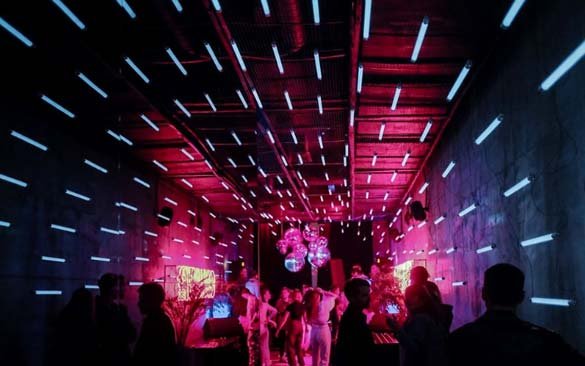
Diversity and openness define Indonesia’s urban after-hours scene.
Jakarta’s nightlife has evolved far beyond high-end clubs and rooftop bars. Across the capital, a growing network of inclusive venues now caters to people seeking alternative or non-mainstream experiences — from underground music collectives and drag-friendly lounges to safe spaces for artistic and LGBTQ+ expression.
The Changing Face of the City After Dark
While conservative norms still shape public life, urban youth culture and global influences have fostered more acceptance in Jakarta’s social scene. Districts like Kemang, SCBD, and Senopati offer eclectic options — live bands, art pop-ups, and private-member lounges that emphasize creativity over conformity.
Alternative Doesn’t Mean Hidden
Many of these venues operate openly with a focus on music, art, and community rather than exclusivity. Organizers often collaborate with local NGOs and independent artists to promote inclusivity through performance and design, framing nightlife as a form of cultural expression rather than rebellion.
Why It Matters
Jakarta’s alternative nightlife reflects a broader generational shift — where young Indonesians redefine identity, entertainment, and belonging in a digital, globally connected world. It’s a subtle but meaningful indicator of how Southeast Asian cities balance tradition and modern pluralism.