Mean Reversion Meets Policy Uncertainty
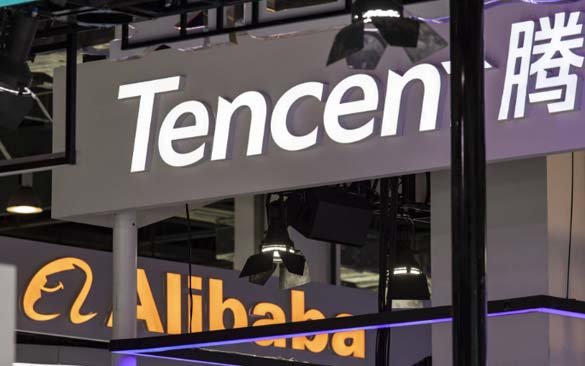
After a brutal stretch of antitrust investigations, data-security probes, and platform governance crackdowns, China’s tech sector is showing flashes of recovery. Periodic rebounds in stocks like Alibaba, Tencent, and Meituan suggest that bargain hunters are back—but this rally remains more tactical than structural.
As valuations compress and risk appetite rebuilds, traders are betting on mean reversion—the idea that oversold assets tend to bounce once panic selling subsides. However, in China’s policy-sensitive environment, every rally faces a reality check: regulatory clarity is temporary, and political risk never fully leaves the room.
What’s Fueling the Rebound
Several short-term catalysts have helped lift sentiment:
-
Earnings stabilization: Analysts are trimming fewer estimates, suggesting the profit downgrades may have bottomed out.
-
Share buybacks: Major tech firms are deploying record cash piles to repurchase stock, signaling confidence in their own valuations.
-
Incremental policy support: Beijing has hinted at support for digital platforms and private enterprise—language that the market interprets as a green light for selective buying.
Meanwhile, offshore-listed Chinese companies (ADRs) are especially reactive to small improvements in tone from regulators, U.S. audit negotiations, or easing restrictions on cross-border data flows.
The Real Catalysts—and the Real Tripwires
To separate signal from noise, investors should focus on what actually moves prices:
Catalysts:
-
Clear regulatory guidance or fewer new enforcement actions
-
State-owned enterprise (SOE) partnerships in cloud and AI contracts
-
Relaxation of export or AI model restrictions
Tripwires:
-
Renewed ADR audit and delisting concerns
-
Sudden policy reversals or “common prosperity” headlines
-
Rising domestic competition, especially in e-commerce and fintech
Each of these factors can flip sentiment quickly, meaning timing and discipline are everything.
Checklist Before Chasing the Next Bounce
Before jumping into the next tech rebound, readers can run a quick three-step filter:
-
Policy tone: Are official statements and media coverage softening or tightening?
-
Earnings quality: Is cash flow improving, or are profits propped up by accounting adjustments?
-
Liquidity pulse: Are foreign inflows through Stock Connect or ETFs rising again?
When all three line up, the probability of a sustainable rally improves—but only within the limits of Beijing’s comfort zone.
Bottom Line
China tech’s rallies are not new bull markets—they’re tactical repricings in a landscape where regulation, politics, and valuation constantly intersect. Bargain hunters may profit from sharp reversals, but lasting confidence will require something rarer: predictable policy and transparent governance.