Hybrid holiday spending shows no signs of slowing.
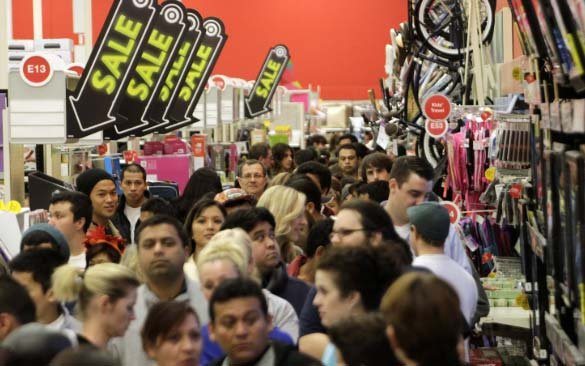
Americans kicked off the holiday shopping season with a dual surge—record online sales paired with a notable return to in-person shopping. According to early data, U.S. consumers spent billions online by late Thanksgiving evening, even as crowds filled malls and big-box stores once doors reopened for evening deals. The result: a retail landscape that’s fully omnichannel, not either-or.
E-Commerce Keeps Climbing
Online platforms saw transactions spike as retailers leaned into flash discounts and flexible fulfillment. Same-day delivery and curbside pickup continued to blur lines between digital and physical shopping.
-
Adobe Analytics reported record Thanksgiving e-commerce totals, driven by electronics, toys, and home goods.
-
Mobile purchases accounted for more than half of total sales—proof that the checkout experience has caught up with consumer expectations.
Brick-and-Mortar Still Has Pull
Despite years of “retail apocalypse” headlines, major chains like Target, Walmart, and Macy’s drew healthy crowds. Many shoppers cited instant gratification, exclusive doorbusters, and post-pandemic nostalgia as reasons to show up.
-
Retailers strategically opened later in the evening to manage flow and staffing.
-
Foot traffic analytics showed strongest gains in suburban and outlet centers.
Why the Hybrid Model Wins
Retail experts say the lesson is clear: blended experiences outperform pure-play strategies. Consumers now expect seamless movement between screens and stores—research online, buy offline, or vice versa.
-
Loyalty programs and personalized promotions tied both channels together.
-
Retailers that synchronize inventory visibility and digital marketing captured the biggest wins.
Looking Ahead
The next test comes on Black Friday and Cyber Monday, where pricing algorithms, logistics networks, and consumer credit data will determine whether this hybrid spending trend sustains into December.